Apple Tart 'Maman Blanc'
For me, Maman Blanc made the best apple tart in the world
Ingredients
For the shortcrust pastry
- 200gPlain flour
- 100gButter, unsalted, diced, at room temperature
- 1g / 1 PinchSea salt
- 1Egg, medium, organic
- 1 tbspCold water
For the filling
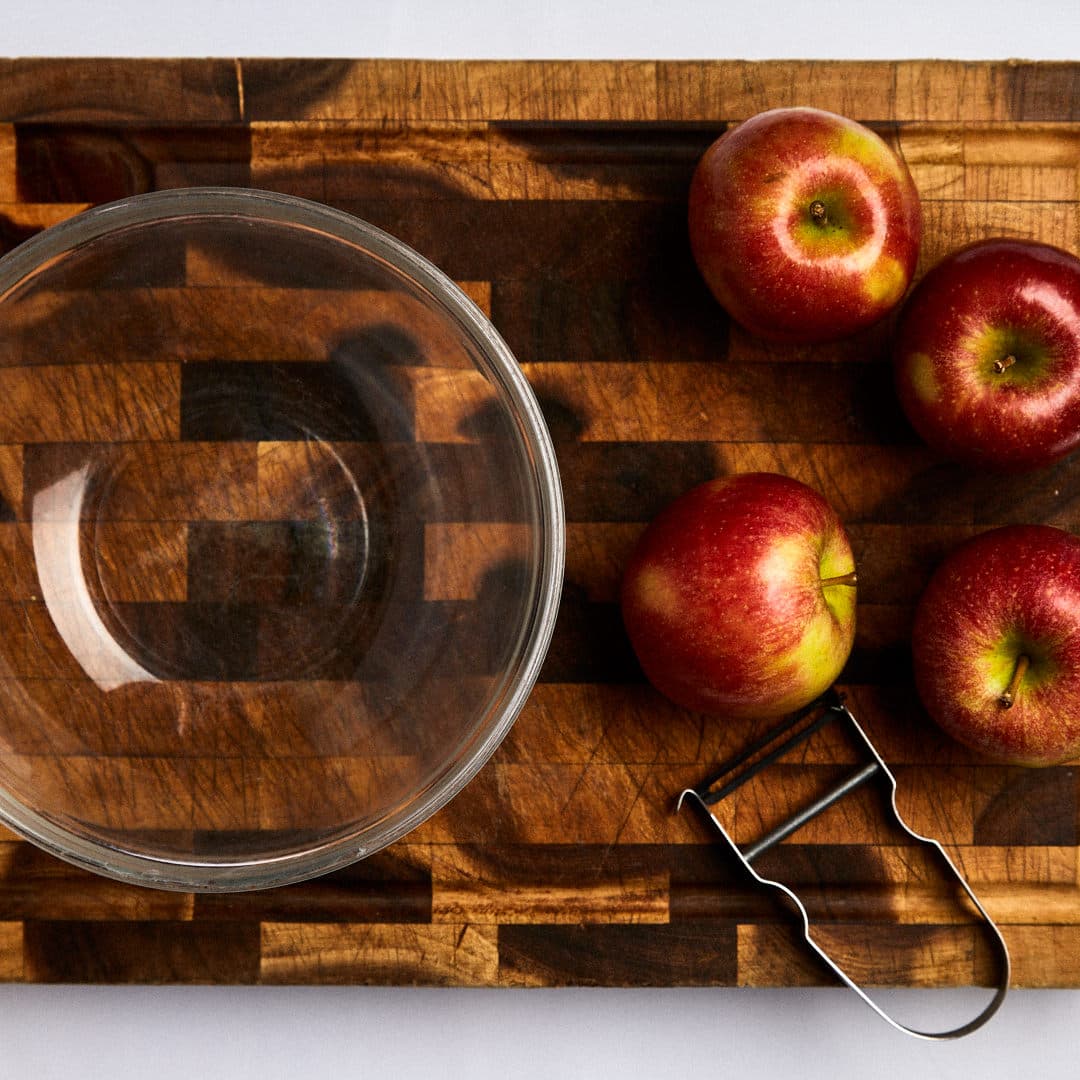
- 3Apples, peeled, cored and cut into 8-10 segments per apple
- 15gButter, unsalted, melted
- 15gCaster sugar
- 1 1/2 tsbpLemon juice
- 7gCalvados (optional)
- 1Egg, medium
- 50gCaster sugar
- 100mlWhipping cream
- Icing sugar, for dusting
Method
- 1
In a large bowl, rub together the flour, butter and salt using your fingertips until it reaches a sandy texture.
The butter has to be at room temperature and pliable so that it can be evenly distributed and mixed to a fine crumbly texture.
Create a well in the centre and add the whole egg and yolk.
The egg will add richness, moisture and baking quality.
It will also help bring the dough together.
- 2
With the tips of your fingers, in little concentric circles, work the egg into the flour and butter mixture; then, at the last moment when the egg has been absorbed, bring and press the dough together to form a ball.
Lightly flour your work surface and knead with the palms of your hands for 20 seconds until you have a homogeneous consistency.
If you overwork the dough, the pastry will lose some of its flakiness and will retract while cooking.
Reserve 20-30g of dough and wrap in cling film.
- 3
Flatten the rest of the dough into a round shape 2cm thick; it will cool and rest faster and will also be easier to roll out.
At this stage, the pastry will be quite elastic because of the gluten.
We cool and rest it to make it more pliable and to minimise shrinkage during cooking.
Wrap the dough in cling film and reserve it in the fridge.
- 4
Lining the tart ring Preheat the oven to 210°C.
Place a baking stone or heavy tray in the middle of the oven.
Place a sheet of cling film (40cm x 40cm) on the table, arrange the dough in the centre and cover with another sheet of cling film.
Then roll the dough to a 2-3mm thickness.
- 5
This technique of rolling between two sheets of cling film allows you to roll the dough very thin without using any flour. Equally it avoids many disasters, such as the dough sticking to the work surface.
The pastry can also be lifted easily into the tart ring. Place the tart ring on a wooden peel lined with greaseproof paper.
When the dough has reached the desired thickness, remove the top layer of cling film. Lift the dough and drape it over the tart ring.
Remove the cling film. Lift the edges and push the dough carefully into the ring.
- 6
Now using the reserved 30g ball of dough in cling film, push the dough so that it lines perfectly the bottom of the tart ring.
Ensure the dough is neatly pressed/lined?
And moulded into the shape of the ring.
This will minimise the shrinkage and collapse of the dough.
Trim the tart edges using a rolling pin over the top of the ring, rolling from the centre out to each side.
- 7
Now raise the height of the dough 2mm above the tart ring by using your index finger and thumb to push the pastry gently all around the edge, turning the tart ring as you go.
With a fork, prick the bottom of the tart all over.
This will prevent the base from rising and allow thorough cooking.
Allow the ring to rest in the fridge for 20 minutes to relax the pastry.
- 8
For the filling Overlap the apple segments close together in the tart case.
Mix together the melted butter, sugar and lemon juice (and Calvados if using), and brush over the apples.
Dust liberally with the icing sugar; it will melt then caramelise while cooking.
Using the wooden peel, slide the tart onto the pre-heated baking stone or tray in the oven and cook for 20 minutes.
- 9
Mix together the egg, sugar and whipping cream.
Pour over the custard and cook for a further 10 minutes until the apples reach a lovely amber colour, the custard is slightly puffed out, and the pastry becomes light golden.
Remove the tart from the oven and leave for 30 minutes to cool.
Lightly dust with icing sugar before you serve.
- 10
Variations Pastry making: you can make the pastry dough by putting all the ingredients into a food processor and use the pulse button until the dough just comes together.
Then on a lightly floured surface, bring it together.
The custard can be omitted, but it would be a great shame!
This tart can also be made with apricots, plums, cherries, pears, peaches, or whatever fruit is in season.
Chef's Tips
“"My favourite for this recipe is the Captain Kidd from the Cox Orange Pippin family. It’s a heavenly apple – juicy, perfect texture, and aromatic."
Cooking is always an expression of care and generosity. Enjoy this dish.
Bon appétit!